Understanding Platform as a Service (PaaS)
CloudXon Team · 5 min read
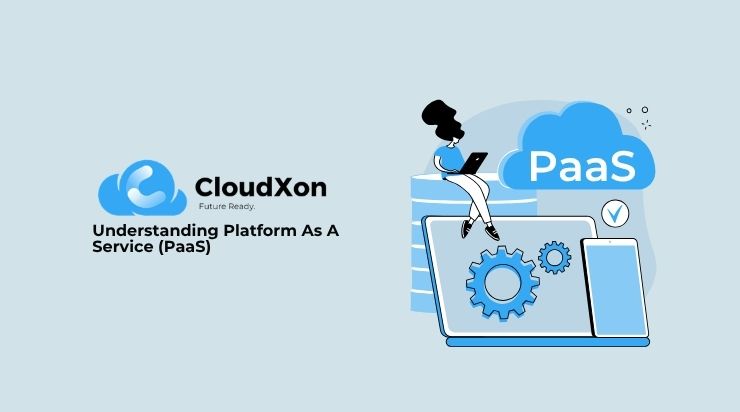
Platform as a Service abstracts away the operating system, runtime, and middleware layers that Infrastructure as a Service still leaves to you. Instead of provisioning a server and installing everything yourself, you deploy code directly onto a managed platform.
The trade-off is control for convenience. You give up some ability to fine-tune the underlying environment in exchange for not having to manage it — patching, scaling, and runtime updates become the platform's job, not yours.
PaaS tends to be the right fit for teams that want to move fast on application development without building out a dedicated infrastructure function. It's less ideal for workloads with unusual system-level requirements that a managed platform can't accommodate.
Back to Blog